Having a good range of motion, or the ability to move your joints through their full range, makes daily activities feel easier and more enjoyable. Whether it’s reaching for something on a high shelf, turning your neck when driving, or squatting down to pick something up, flexibility is a big part of moving comfortably. Range of motion isn’t just for athletes or people in physical therapy; it’s something everyone should pay attention to for long-term health and comfort. In this article, I’m sharing why staying flexible is so important for your health, what can happen if your mobility goes downhill, and how you can keep or even step it up by making a few smart choices every day.
What Does Range of Motion Even Mean?
Range of motion, often shortened to ROM, means how far you can move a joint from one extreme to another. Think about swinging your arm in a big circle or bending your knee as far as it will go. Every major joint has its own normal range, and that can be influenced by age, activity level, genetics, or any injuries you’ve had. The more of that natural movement you keep, the more easily you’ll move through your day without stiffness or pain.
There are three main types of range of motion you’ll probably hear about:
- Active ROM: Moving your joints by yourself using your own muscle power.
- Passive ROM: Movement that someone else or another force creates while you stay relaxed, such as in a physical therapist’s office.
- Active assisted ROM: You move a joint as far as you can, then get some help to move it a bit further.
Understanding the differences can be helpful when chatting with a trainer or a healthcare pro. Most everyday activities use active ROM, so that’s what most of us want to keep strong and healthy.
Why Healthy Range of Motion Makes a Big Difference
Plenty of people only notice their range of motion when they lose it; not being able to tie their shoes or look over their shoulder while backing up a car can be frustrating. But there are a few ways that keeping joints mobile pays off every single day:
- Staying Independent: The more you can reach, bend, and twist comfortably, the easier it is to live on your own; you need no help.
- Preventing Injuries: Flexible muscles and healthy joints are less likely to get tweaked or strained.
- Better Posture: Tight muscles in the hips, shoulders, or back pull you out of alignment, while good mobility keeps things balanced.
- Pain Reduction: Good range of motion helps you avoid awkward movements that cause aches and discomfort.
- Boosting Performance: Whether it’s sports, lifting a bag of groceries, or playing with your kids, mobility lets you move stronger and with more confidence.
It’s also worth pointing out that poor range of motion can make your whole body work harder. If you can’t use one joint properly, other parts pick up the slack, which can lead to new aches and possibly injuries down the line.
What Causes Limited Range of Motion?
Range of motion shrinks for a bunch of reasons, and not all of them are about getting older. Some of the most common causes include:
- Lack of Movement: Sitting too much, especially at a desk or on a couch, can make joints stiff over time.
- Muscle Tightness or Weakness: If the muscles around a joint are short or weak, movement gets restricted.
- Injury or Surgery: Joints can stiffen up after an accident or procedure, especially if you avoid moving them while healing.
- Medical Conditions: Arthritis, scar tissue, or neurological issues can reduce mobility.
Early on, these restrictions might just feel like mild stiffness that you can “push through.” But if you keep ignoring it, small aches can turn into larger issues that stick around or slow you down in a major way.
How to Keep Your Range of Motion in Good Shape
Even if you aren’t a fan of stretching or yoga, there are plenty of simple ways to keep your joints moving smoothly. Here are a few that fit easily into a daily routine:
- Dynamic Stretching: These are moving stretches, like leg swings or arm circles, that loosen you up before exercise or even work as a morning wakeup.
- Regular Movement Breaks: If you’re at a desk all day, standing up every hour to move your arms and legs can make a big difference.
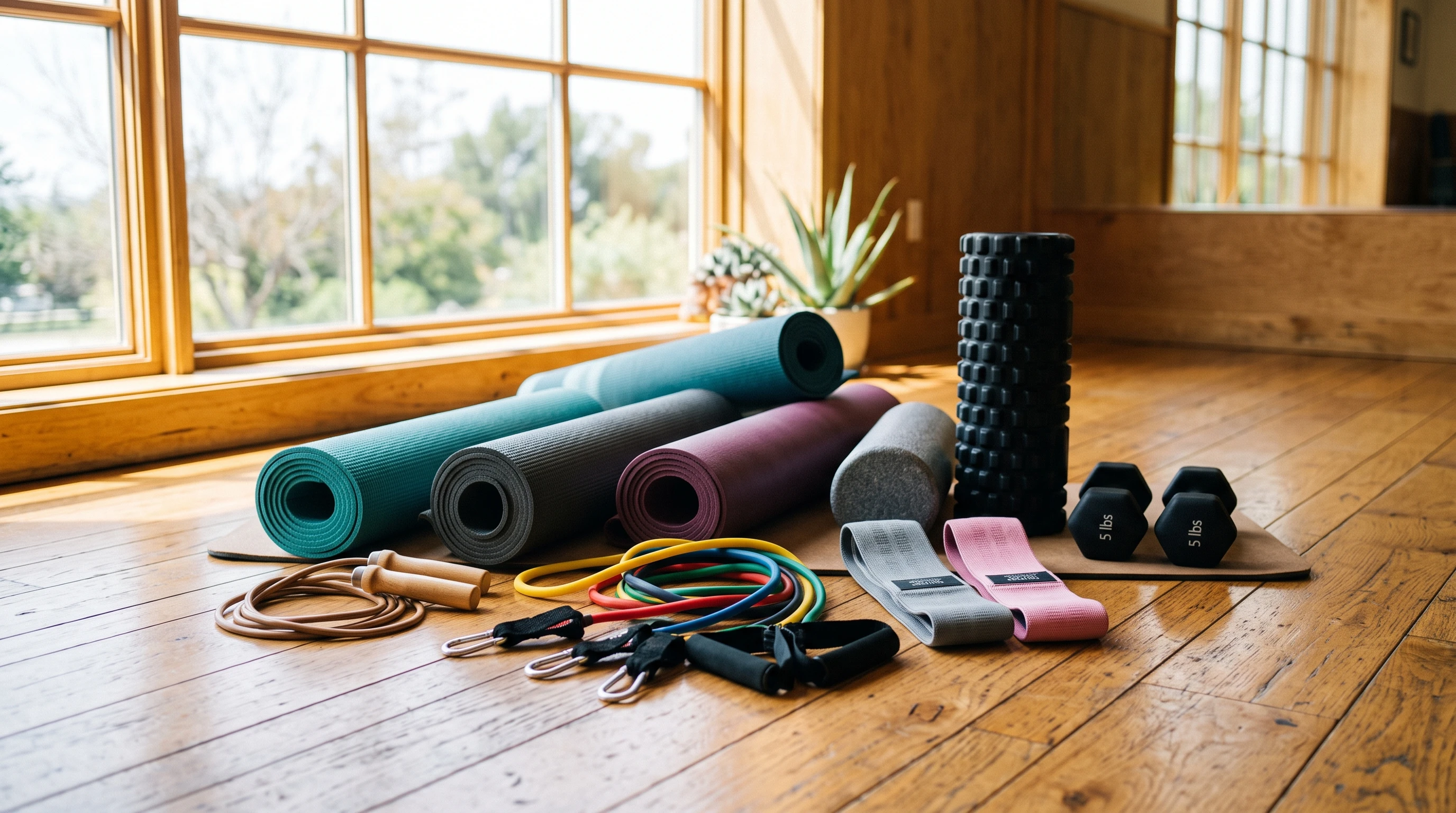
- Foam Rolling: Rolling out your muscles with a foam roller can loosen tight spots and help keep your joints gliding smoothly.
- Strength Training: Strong muscles help joints move more naturally. Focus on full range of motion with every exercise instead of doing halfreps.
- Join a Mobility or Yoga Class: Classes are a fun way to get motivated and learn new stretches that boost flexibility. If classes aren’t your thing, there are great routines online, and you can find guided videos for every level.
I’ve found that mixing things up and listening to my body works better than sticking to a single routine. Consistency is the real game changer here; things don’t improve overnight, but they absolutely get better with time.
Common Obstacles (and How to Beat Them)
It’s not unusual to run into some speed bumps when working on your mobility. Here are a few things that can slow down progress and my tips on getting past them:
- Not Enough Time: Even five minutes a day adds up. Try stretching while watching TV or first thing in the morning.
- Setbacks From Old Injuries: Go slow and don’t force movements that hurt. It’s worth checking in with a healthcare professional for a tailored plan tailored to your needs.
- Boredom: Try different activities like swimming, taichi, or group classes to keep things interesting and fun.
- Not Knowing Where to Start: There’s no shortage of videos or apps with beginnerfriendly mobility routines worth checking out. Physical therapists are also a great resource.
Staying patient and forgiving with yourself makes all the difference. Progress doesn’t always look linear, but sticking with it always beats giving up.
How Range of Motion Affects Real Life
Everyday life is packed with small challenges that are a lot easier when your joints move well. Here are a few places where good ROM comes in handy:
- Driving: Looking over your shoulder or backing up needs neck and upper back flexibility.
- Getting Dressed: Reaching for shoes, pulling on a shirt, or fastening a bra all require shoulder, spine, and hip mobility.
- Walking and Running: Mobile hips, ankles, and knees make all the difference in stride length and speed.
- Gardening, Cleaning, and Home Repairs: Squatting, reaching, twisting, and kneeling are all easier and safer when your joints move freely.
- Fun Stuff: Playing with pets, exploring outdoors, or dancing at a party all get a boost from flexible joints.
If you’ve ever noticed an older friend or family member struggling with any of these, it’s usually because limited range of motion holds them back. That’s why maintaining mobility now pays off for years to come.
Frequently Asked Questions
Question: How often should I work on my range of motion?
Answer: A little bit every day works best; think five to ten minutes of stretching or simple motion.
Question: Can I improve my range of motion if I’m already stiff?
Answer: Absolutely! It can take time, but regular gentle movement, stretching, or therapy can bring back flexibility for a lot of people.
Question: Do I need special equipment to boost mobility?
Answer: Not at all. Most exercises use just your body weight. Things like yoga straps or foam rollers can help, but are totally optional.
Question: Can stretching alone fix tight joints?
Answer: Stretching helps, but strengthening the muscles around your joints and keeping up with multidirectional movements is super important for long-term mobility.
Tips for Building a Mobility Routine
When I started adding more movement and stretching to my routine, I found that setting small, realistic goals made it easier to stick with. Here’s what worked for me and might help you too:
- Pick one or two times each day to do a few stretches; before bed and after waking up is pretty handy.
- Combine movement with something you already do: stretching after brushing your teeth, or calf raises while waiting for the kettle to boil.
- Track your progress in a notebook or mobile app. Writing down improvements is actually really motivating.
- Celebrate tiny wins. Even a little more movement counts as progress!
If you want to switch things up, you can use resistance bands, massage balls, or try balancing exercises to add some variety. The key is to keep motion in your daily routine, building habits that fit your lifestyle and preferences.
Moving Forward
Getting and keeping good range of motion isn’t about being the most flexible person in a yoga class. It’s about making daily life easier, lowering the risk of injuries, and building confidence in how you move. Small daily habits like mindful stretching, strength training with full movements, and prioritizing movement over sitting go a long way. Keeping your body flexible today sets you up for a future where you can keep doing the things you love with less pain and more energy. Now is always a great time to start!