Keeping your range of motion in good shape is something I pay a lot of attention to, especially since days often get packed with sitting, screens, and quick commutes. A strong range of motion means your joints and muscles are able to move freely; think easy bending, stretching, squatting, and reaching. It helps you avoid everyday aches, keeping you moving well as you get older. These daily habits and routines make a huge difference for mobility, whether you’re already active or you’re just trying to feel less stiff.
Why Daily Mobility Habits Really Matter
Range of motion is just how far you can comfortably move a joint in certain directions. If you skip working on it, muscles and joints stiffen, and simple tasks like tying shoes or reaching a high shelf start to feel tougher than you’d expect. Not to mention, mobility plays a big part in preventing injuries, helping balance, and supporting good posture downtime.
Most folks sit a lot: at work, during car rides, or when relaxing at home. This kind of routine quickly leads to tight hips, hunched shoulders, and a sore back. Even regular gym goers or runners might struggle with flexibility if they skip stretching and movement work. So adding small habits for mobility into your day is a pretty easy way to give your health a boost.
The American College of Sports Medicine recommends working on mobility and flexibility several days a week for better overall function and comfort. I’ve noticed that even a few minutes daily makes a difference, and research supports the idea that repeated, daily effort matters more than one long, weekly stretching session (ACSM.org).
Foundations of Everyday Mobility
The basics of daily mobility include a mix of short routines and simple adjustments you can weave easily into your lifestyle. You don’t need anything fancy; here are the main building blocks you should try to work into your day:
- Gentle Stretching: Stretching your main muscle groups regularly keeps them supple and ready to move.
- Active Movement: Gentle activities such as walking, yoga, or light dynamic exercise nourish joints and help avoid stiffness.
- Awareness of Good Posture: When you sit and move with better alignment, it reduces strain on your back, neck, and joints.
Making time for mobility doesn’t require an extra hour in your day. Just two or three minutes at a time can make a difference. I’ve found these tips super useful, especially for people who feel too busy for a drawn-out exercise session.
Daily Habits You Can Start Using Now
- Morning Mobility Routine: Ease stiffness by starting with light movements as soon as you get up. Try overhead reaches, shoulder rolls, gentle twists, and ankle circles either while still in bed or just after rising. This small habit can wake up your muscles.
- Take Micro-Breaks: Every hour, take a minute or two to stand up. Do shoulder shrugs, neck turns, and a gentle forward bend to refresh your tissues and keep joints limber.
- Move While You Wait: Next time you’re waiting for coffee or the microwave, do calf raises, toe touches, or a gentle standing quad stretch. Small moves like this add up over your day.
- Full Body Stretching Before Bed: Spend a few minutes stretching right before sleep to help relax muscles and keep your flexibility up. Simple moves like kneeling hip flexor stretches, side bends, or a cat-cow flow work well.
- Walk More: Walking, especially at a comfortable pace, often gets overlooked for joint health. Try walking after meals or parking farther from your destination so you can get extra steps in.
If these seem too easy, remember: consistency beats intensity when it comes to keeping your range of motion in top form.
Essential Mobility Exercises to Work Into Your Day
Here are some mobility exercises you can put into your routine for nearly every major joint:
- Cat-Cow Stretch: This move is great for your back, neck, and chest mobility.
- Hip Flexor Stretch: Anyone who sits a lot will benefit from this; it opens up the front of your hips.
- Thoracic Rotations: Sitting or standing, gently twist side to side to keep your spine loose.
- Ankle Circles and Rocking: Rotating and flexing ankles can restore range for walking, running, and standing.
- Overhead Reach and Side Bend: This works on your shoulders and sides, making reaching and lifting less stiff.
Doing each of these for 20 to 30 seconds (or about 10 to 15 reps) is usually enough. Mobility workouts don’t have to leave you breathless; the key is gentle, easy motion to shake off tightness.
Common Obstacles To Watch Out For
Building good mobility habits gets easier when you realize what could trip you up. Here are a few common hurdles and how to tackle them:
- Too Much Sitting: Desk jobs, screens, or car time tighten hips and hamstrings. Set a timer to remind yourself to stand or take a quick walk every hour. Even a short stroll to refill your water glass helps.
- Forgetting To Move: If you keep forgetting, link a new movement habit with something else you always do—stretching after brushing your teeth or before bed, for instance.
- Trying To Do Too Much, Too Soon: If you move suddenly from no stretching to a long routine, motivation can drop off quick. Add one or two moves at first and build from there.
- Pain or Discomfort: If a movement routine causes pain, modify the move. You should never feel sharp discomfort. If you do, limit the range, or check in with a physiotherapist for advice.
Dealing With Sitting All Day
If you sit a lot, hips, hamstrings, and the lower back often suffer. Put a cushion or rolled towel behind your lower back for support, and pull your chair closer to your desk so you aren’t hunched over. Set hourly phone reminders to stand, stretch, or take short walks.
Progressing Without Overdoing It
Mobility goals build over time. I like to use apps or a simple paper tracker to remind myself to do at least three short routines daily: morning, lunchtime, and before bed. Missed a session? Start again next day; consistency, not perfection, is what matters.
Tips for Advancing Your Mobility Work
When your daily habits start feeling easier, try these simple upgrades:Add Dynamic WarmUps: Add controlled leg swings, arm circles, or trunk rotations to prep for workouts or more active days.
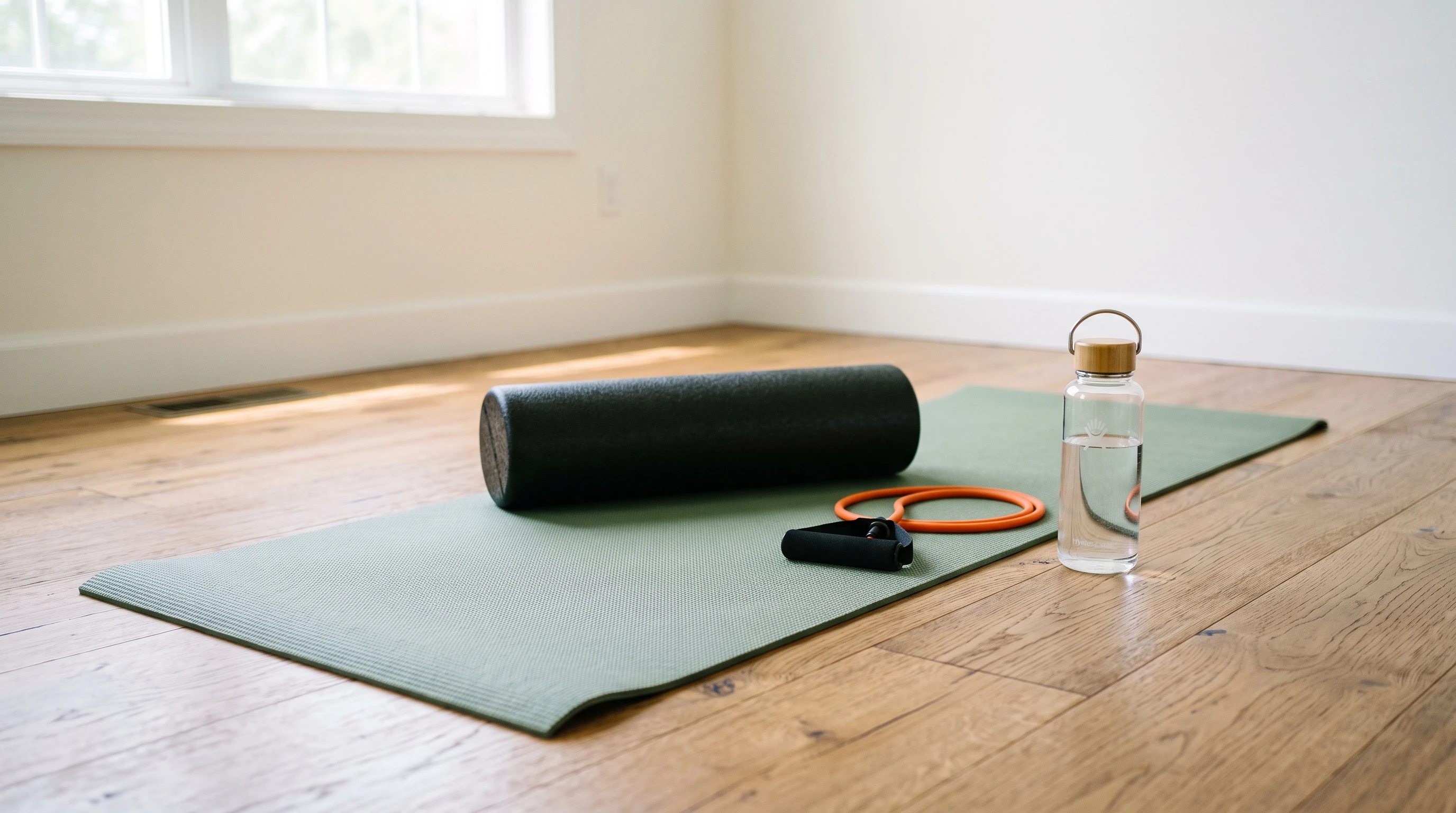
Use Light Resistance: Bands or very light weights can transform moves like shoulder rotations or hip bridges, making them more effective.
Explore Mobility Focused Classes: Yoga or Pilates lessons, whether in-person or streamed, teach fresh methods and give you ideas.
Try Soft Tissue Work: A foam roller or massage ball targets tight spots, boosts blood flow, and can help recovery.
Why It Makes a Difference: Variety and a touch of challenge keep the process motivating, and these activities reach deeper areas that typical stretches might not get to.
Switching up these tools and activities keeps things interesting and can change mobility work from a chore to a reward. Always focus on quality—smooth, painfree movement is your green light that you’re on track.
Real Life Benefits and Everyday Examples
Working on your range of motion pays off beyond fitness goals. You might notice:
- Getting up from bed, a chair, or the car feels much easier
- Stiffness after long meetings or travel gets reduced
- Balance improves, so falls and slips become less likely
- Comfort during favorite hobbies goes up—be it gardening, playing with pets, or hauling groceries
Reach for that tall kitchen cabinet, crawl around with your kids, or head out on a long walk—mobility helps with all of it. If staying independent and moving comfortably as you age is important, these small, daily habits matter far more than the occasional big workout.
Frequently Asked Questions
How long should I spend on mobility each day?
Five to ten minutes a day, broken into short spurts, can make an impact. Consistency beats the perfect time—daily practice is what brings the most benefits.
Can stretching replace mobility work?
Stretching plays a role, but mobility is about moving joints through their full range, not just static positions. The best routines blend stretching and active moves.
Is it possible to improve range of motion at any age?
Absolutely. The body responds well to gentle, regular practice at any age, even in later years. Go slow and stay comfortable throughout the movements.
Are there tools or gadgets that help?
Things like foam rollers, massage balls, or resistance bands can spice up your sessions or offer support. They’re fun for variety, but starting with bodyweight moves works just as well.
Final Thoughts
Small, steady efforts for your mobility add to a body that feels looser, stronger, and less achy. Best of all, most of these moves are quick—easy to fit into almost any schedule. Whether you want to recover from sitting, cut down on injury risk, or just move without stiffness, daily mobility habits are a wellness trick you really can stick with. Bottom line: keep it simple and keep at it—you’ll thank yourself down the road.