Joint flexibility lets the body move freely and comfortably in everyday life. Whether you’re aiming for deeper squats at the gym, trying to shake off that stiff morning feeling, or hoping to keep moving easily as the years go on, working on flexibility is seriously useful. Mobility drills offer a solid way to improve how joints bend, stretch, and rotate. You don’t even need a gym—just some consistency and a bit of patience. Here’s a practical guide on how you can use daily mobility drills to step up your joint flexibility.
Why Flexibility Matters for Everyday Life
Good joint flexibility isn’t just for athletes and dancers—it helps everyone. Flexible joints drop the risk of injury, make everyday movements smoother, and can ease those annoying aches from sitting too much or overdoing it physically. Stiff hips, back, or shoulders can turn simple tasks—like tying shoes or reaching into a cupboard—into a real challenge.
Staying flexible can help support good posture, balance, and even sports performance. If you spend a lot of time sitting, like I do, mobility drills are key for countering that “desk job slump.” Starting daily mobility drills keeps your joints happy and gets your body ready for whatever happens next.
Getting Started: What Are Mobility Drills?
Mobility drills are exercises where you take joints through their full ranges of motion. They mix stretching, light strength, and sometimes balance to help joints become more adaptable and less stiff. You don’t need to be super fit or flexible right now. Mobility drills fit any level, and improvement comes with time.
Here are the three main ingredients that really matter:
- Active Movement: Move joints dynamically (not just holding a stretch) to get them loose.
- Consistency: Doing a small routine daily works much better than a major stretch now and then.
- Patience: Results come with time, so go easy and don’t rush things.
Simple Daily Mobility Drills to Boost Joint Flexibility
Picking mobility drills that target major joints makes a huge difference in how you move each day. Here’s a rundown of some favorites that don’t need any equipment and typically only take about 10–15 minutes daily.
- Cat Cow (Spinal Mobility): Arch and round your back on all fours to warm up the spine and relieve any stiffness from sitting.
- Shoulder Circles: Stand up straight and make big, slow circles with your arms, forward and backward, to open up shoulders and the top of your back—especially helpful if you type a lot.
- Hip 90/90 Rotations: Sit on the floor, knees bent at 90 degrees each, and switch your hips side to side. This keeps hips loose, which matters for walking, lunges, and squats.
- Ankle Alphabet: While sitting, “draw” the alphabet in the air using your foot by only moving your ankle. It wakes up ankle flexibility, helping with walking and staying balanced.
- World’s Greatest Stretch: Step into a lunge, place both hands on the ground, rotate your upper body, and reach up with one arm. Switch sides. This move gets your hips, back, shoulders, and more all at once.
Many more drills exist, but these cover the basics and deal with the joints that usually get stiff. For more details on doing them, check out the Men’s Health Mobility Exercises Guide.
How to Make Mobility Drills Fit Your Routine
Keeping up with daily mobility doesn’t have to be tough. Try adding a short routine to something you already do, like right after waking up, before working out, or even during TV commercial breaks.
- Timing: Spending 10-15 minutes daily is enough for real change. You don’t need a marathon session—habit matters more than length.
- Order: Focus first on areas that feel especially tight or that you use a lot. You can switch up drills to keep things fresh.
- Intensity: Mobility drills shouldn’t be painful. Move at a steady pace, only going as far as comfortable. Over time, your range will grow all on its own.
- Reminders: Set a daily alarm or leave your yoga mat out in the open so you remember to get a session in.
Common Hurdles and How to Move Past Them
Daily mobility routines have their own challenges. Here are some common issues that pop up, and little fixes that help:
- Forgetting to Do Them: Habits are easier to keep when you link them with something you already do—like morning coffee or after a shower.
- Feeling Too Stiff: If your body feels glued shut, you likely need mobility drills the most. Even a single round of Cat Cow or some ankle circles can wake up your joints.
- Losing Motivation: Progress is gradual and sometimes hard to notice. Take quick before-and-after videos, or measure your “reach” over time, to see that you’re actually making progress.
- Overdoing It: It’s tempting to go hard, but stretching too aggressively can make you sore or even hurt you. Keep things gentle, let your body guide your pace, and skip moves that feel wrong.
What to Do When You Hit a Plateau
Sometimes, even with regular drills, you might stop seeing progress. This is common and not a bad sign. Try swapping in new mobility drills, using resistance bands, or changing the order or speed of your routine. Bodies adapt quickly, so mixing it up often gets things moving again.
Dealing with Joint Pain
If a movement gives you sharp, lingering pain, it’s a good idea to stop and ask a medical professional. Grumbling, light discomfort as you stretch is normal—major pain isn’t, and you want to be safe.
Taking Mobility Further: Tools and Techniques
Plenty of basic mobility work happens without gear, but certain tools smooth the way or help target specific problem spots.
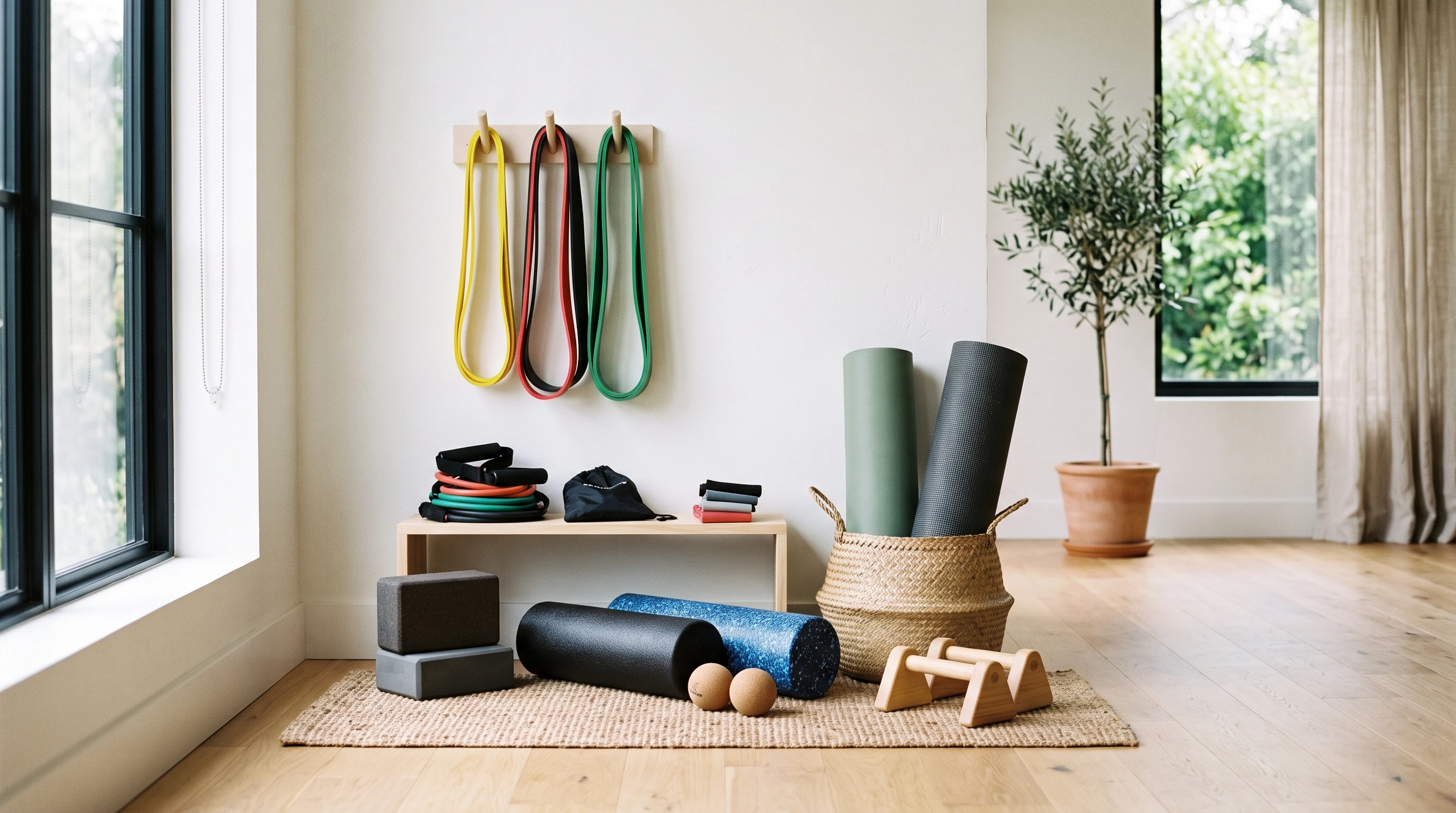
- Foam Rollers: These massage stubborn muscle knots and warm muscles up pre-stretch. Tutorials on using them for different muscle groups are easy to find online.
- Resistance Bands: Bands add a little push or help out in tougher moves. They’re nice for working on shoulder or hip flexibility.
- Massage Balls: Perfect for massaging those small, tight spots that foam rollers sometimes miss—especially for desk workers with upper back tension.
- Yoga Blocks: These provide extra support and help you work gently into new ranges of motion.
Real-World Benefits: What to Expect From Consistency
I’ve noticed daily mobility drills really pay off over time. I wake up with less stiffness, squats are easier, and my back feels better in general. Flexible joints don’t just help with fancy yoga poses. They support walking, sitting, and other everyday movements. You might also see your athletic performance get a boost, especially if you run, cycle, or do strength training.
Doing mobility drills consistently can lead to:
- Less day-to-day aches, especially in your back and hips
- Better posture
- Improved balance and fewer stumbles
- Smoother, more natural movements
- A lower risk of little injuries from moving around
Frequently Asked Questions
Lots of people have questions when getting into flexibility and mobility. Here are a few that come up a lot (and maybe some answers you’re looking for, too):
Question: How soon will I notice results from daily mobility work?
Answer: Most people spot small changes—like less morning stiffness or looser movement—within two to four weeks. Major changes take a while, but steady practice pays off.
Question: Should I stretch before or after working out?
Answer: It’s ideal to do mobility drills before a workout to get joints moving and warm up muscles. If you’re only stretching, save big, deep stretches for after your workout so you don’t sap strength before starting.
Question: Do mobility drills replace stretching or yoga?
Answer: Mobility drills are a great add-on. They don’t take over for static stretching or yoga but bring a different benefit because they focus on movement rather than holding positions. Doing all three together offers the most benefit.
Final Thoughts
Building joint flexibility with daily mobility drills is an option for everyone. Keep your practice simple and regular. Try out different drills, adapt them based on how you feel, and weave mobility work into your daily life. Your joints—and future self—will be glad you did!