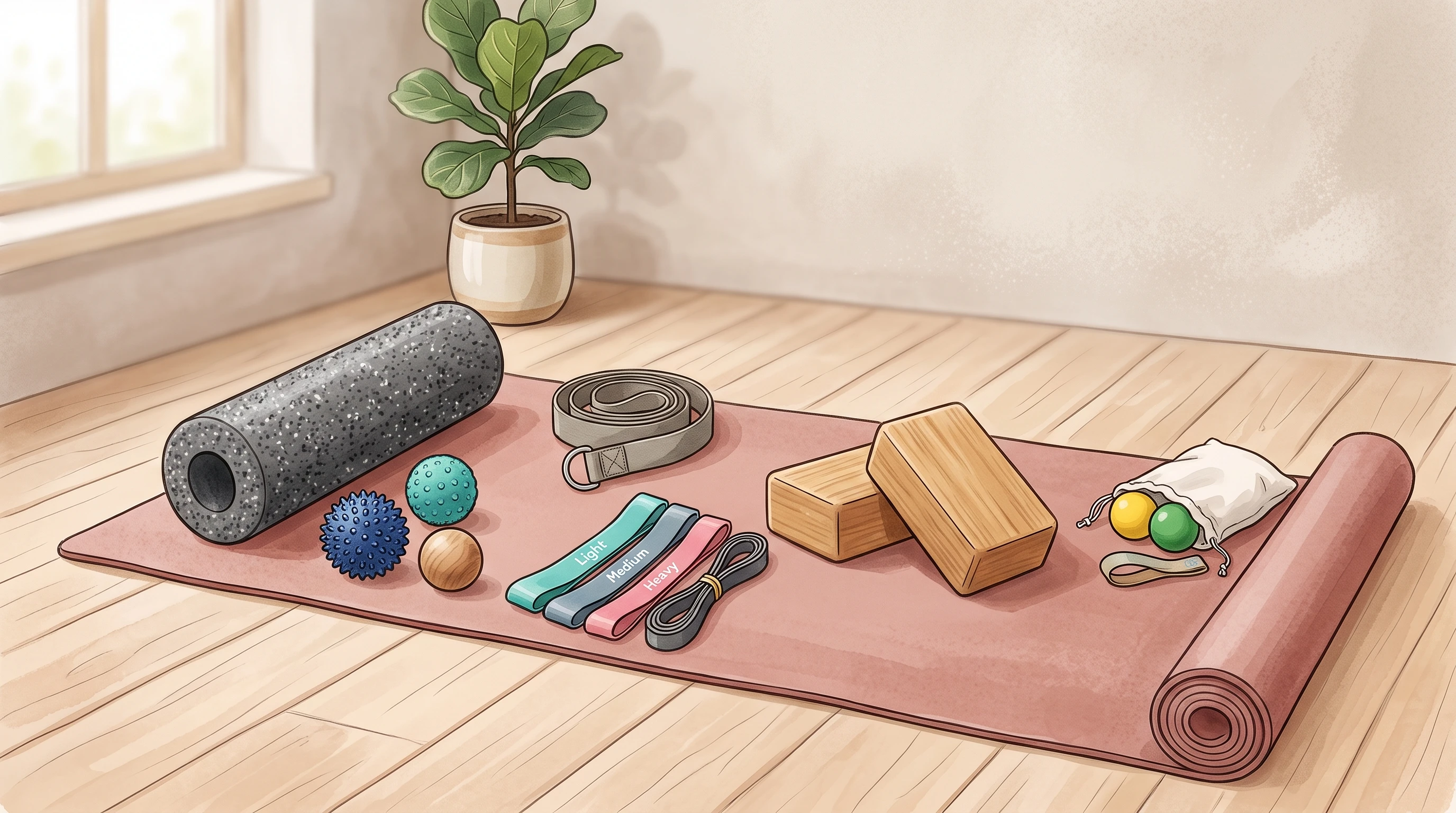
 Improving flexibility and joint function isn’t just about being able to touch your toes. Mobility is all about how well your joints move through their full range, helping you stay active, limber, and comfortable during exercise, or everyday activities. Tight muscles and stiff joints can make even simple things feel tougher, from getting up off the floor to swinging your arms overhead.
If you’re feeling a little stiff lately, or just want to keep your body moving freely for years to come, adding a handful of mobility exercises into your routine can make a real difference. The great thing is, you don’t need fancy equipment or a ton of extra time. With just a few minutes a day, you can help your muscles and joints feel a whole lot better.
Here’s a guide to 10 super useful mobility exercises that can help improve your range of motion, make daily movement feel easier, and keep those aches and twinges at bay. Beyond these 10, there are lots of ways to keep your body limber—adding foam rolling, gentle walking, or even swimming all help maintain good mobility throughout life.
1. Cat Cow Stretch: Loosen Your Spine
Stiffness in your back and spine can throw off your whole day. The Cat Cow stretch is a simple move borrowed from yoga that keeps your spine moving well and helps wake up your back muscles.
- Start on your hands and knees with your wrists under your shoulders and knees under your hips.
- Breathe in as you arch your back gently, lifting your head and tailbone (Cow).
- Exhale as you round your back and tuck your chin toward your chest (Cat).
- Repeat for 6-10 slow reps, moving smoothly between each position.
This move gets your whole spine moving and is great as a morning warm-up or anytime you feel tight.
2. World’s Greatest Stretch: Total Body Mobility
This stretch hits a bunch of muscle groups at once. It’s really useful for hip, spine, and shoulder mobility.
- Start in a high plank (pushup position).
- Bring your right foot forward, landing outside your right hand.
- Lower your hips, reach your right elbow toward your right instep, then rotate and reach your right hand to the ceiling.
- Return your hand, step back to plank, and switch sides.
Go for 5 reps per side. This stretch wakes up your whole body and helps activate muscles that get tight from sitting during the day. It also gives a nice boost to your circulation, which keeps your joints healthy.
3. Hip 90/90 Rotations: Open Up Your Hips
Tight hips are a common complaint and can affect everything from your squat to your posture. Hip 90/90s help you gain control and flexibility in your hips without needing to force the stretch.
- Sit upright with both knees bent at 90 degrees, one foot out in front and the other beside you.
- Keeping your chest tall, rotate your knees side to side, moving through as much hip range as you can.
Do 8-10 reps total. This drill helps your hips move side to side with more freedom—which is pretty handy if you sit a lot or do lower body workouts. Over time, you’ll spot your hips feeling more open in everyday activities.
4. Thoracic Rotations: Free Up Your Upper Back
The middle of your back (your thoracic spine) is designed to twist, but sitting or slouching can make it stiff. Thoracic rotations help you keep that rotation, making overhead movements and twisting easier.
- Kneel on all fours. Place your right hand at the back of your head, keeping elbows out.
- Rotate your right elbow up toward the ceiling, turning your chest open, then lower it back down toward the ground.
- Switch arms after 6-8 reps each.
If you feel tightness or hear a gentle pop while doing this, it’s usually your joints getting the movement they’re missing throughout the day. Try adding a slow exhale as you rotate for a deeper stretch.
5. Ankle Circles: Improve Foot and Ankle Mobility
Good ankle movement is super important for walking, running, or any sport. Lack of motion here often leads to knee or hip issues down the road.
- Sit on the floor with one leg extended.
- Lift your foot and move your ankle in slow, controlled circles—both clockwise and counterclockwise.
- Repeat for 10-12 circles in each direction per side.
You’ll notice the difference next time you walk, run, or squat—ankle movement is surprisingly underrated. If you find one direction feels stiffer, spend a few extra reps there to help restore balance between both sides.
6. Shoulder Pass Throughs: Unlock Your Shoulders
Stiff shoulders make everything from reaching overhead to putting on a jacket tougher. This move uses a broomstick, band, or even a towel to open things up.
- Hold your stick or band with both hands, wider than shoulder width.
- Keeping arms straight, lift overhead and pass the object behind your back, then bring it back over to the front.
- If you can’t get all the way behind, just go as far as you comfortably can. Do 8-10 reps.
Move slowly and keep your core engaged for best results. This can really help before any upper body workout. Over time, your motion will get smoother and you’ll find daily actions get a bit easier.
7. Deep Squat Hold: Hip, Knee, and Ankle Flexibility
A deep squat isn’t just for weightlifters. Holding this position helps open up your knees, hips, and ankles all at once.
- Stand with feet a bit wider than hips apart, toes out slightly.
- Bend your knees to squat as deep as you can, aiming to keep your heels down and your chest up.
- Hold for 20-30 seconds, repeating 2-3 times.
You can use your elbows to gently press your knees out. If balance is tricky, try holding onto something stable, like a table leg. This simple hold is important for lower body movement and for getting comfortable moving close to the ground.
8. Lying Windshield Wipers: Rotate Your Hips and Lower Back
Lying on your back for this move takes pressure off your joints while getting your hips and low back moving.
- Lie flat with your knees bent and feet flat on the floor, arms stretched out for balance.
- Drop both knees gently to one side, keeping shoulders down, then rotate to the other side.
- Alternate for 8-12 reps, moving smoothly.
This move is a favorite for mornings when you wake up stiff or want to cool down after exercise. Pay attention to your breath while moving—it can help relax tense areas in your hips or lower back.
9. Wrist Rolls: Boost Wrist Flexibility and Movement
Wrist stretches are easy to forget but come in handy for computer users, lifters, or anyone using their hands all day.
- Clasp your hands together and rotate your wrists in circles, first one way, then the opposite way.
- Do 10-15 slow circles per direction.
This keeps your wrists feeling loose and can help prevent the aches that come from a lot of typing or gripping. You might even notice less tension after a week or two if you stick with it. Wrist flexibility helps with everything from yoga poses to gardening.
10. Spiderman Lunge: Hips, Ankles, and Spine in One
This move combines a deep hip opener with some gentle spinal and ankle movement. It’s super useful right before a run or gym session.
- Start in a plank position.
- Step your right foot outside your right hand in a deep lunge, keep your back leg strong.
- Stay for a few breaths, sink your hips, even rock gently side to side.
- Return to plank and switch sides.
Go for 5-8 reps per side. After just a few reps, you’ll notice more freedom in your hips and spine. For even better results, add a gentle twist by reaching your arm overhead.
Tips for Getting the Most Out of Mobility Training
A little mobility work every day pays off way more than one long session a week. Focus on quality of movement, not just getting through reps. Stay relaxed and breathe naturally; forcing stretches usually doesn’t do much good.
Consistency really matters for mobility. Try tacking a couple of these moves onto your morning routine or after a workout. If you have a particularly tight spot (like hips or ankles), spend a little extra time there. Even using a timer to spend just 3-5 minutes on mobility a few days a week can help you spot real progress without too much effort.
Choosing Exercises Based on Your Needs
Prioritizing exercises that target your stiffest areas is a great way to start seeing results quickly. If you spend the day at a desk, try hip and thoracic moves. If you’re always on your feet, pay attention to your ankles and calves. The key is tuning in to where you feel the most restriction and focusing there for a few minutes regularly.
You might want to keep a journal of what feels stiff so you can track down patterns over time. That way, you can adjust your routine as needed and keep things from getting stale.
Mobility and Everyday Life
Better mobility doesn’t just make gym workouts feel smoother; it really shows up in the day-to-day stuff. Things like bending over to tie your shoes, playing with kids, or even grabbing groceries off a high shelf all feel easier when your joints move well. Plus, staying mobile as you get older can help cut down on injuries and discomfort. Keeping your joints moving is a great way to keep doing the things you love for as long as possible.
Add a few of these to your daily routine and you’ll be amazed at how much better your body feels in just a few weeks. Remember, the best mobility exercise is the one you’ll stick with—consistency makes the magic happen.